Gauntlet Gallery
What is Shepard Fairey’s piece called “Burn Baby Burn”?
Artist Statement
Burn Baby Burn, inspired by the aesthetics of "live fast – die young" rock 'n' roll, is a critique of some harmful habits we are addicted to. Not just the harmful effects of burning fossil fuels, but also the dangerous psychology of denial and nihilism that underpins the apathy toward the planet's future (and ours)! Whether it is the defiant greed of the fossil fuel corporations or the indifference of a public comfortable with status quo habits around fossil fuels, further delay in transitioning to renewable energy sources will be catastrophic for the planet and all of its species. I know that none of us like the idea of disrupting a comfortable habit. Still, the relative ease of a gradual transition off of fossil fuels is vastly superior to the stresses, and disastrous consequences, of waiting until many of the impacts are past their tipping point. If we keep waiting to act until tomorrow, the phrase "like there's no tomorrow" might drop the "like" and become more literal. This print is on cotton rag sustainable paper, by the way. A portion of the proceeds from this print will benefit Greenpeace to assist their efforts to protect the environment and ween America off fossil fuels. Thanks for caring. -Shepard Burn Baby Burn. 10 x 13 inches. Letterpress on cream cotton paper with hand-deckled edges. Signed by Shepard Fairey. Numbered edition of 450. $65.
Summary
Burn Baby Burn is a 2021 letterpress print by Shepard Fairey that critiques addiction to harmful habits, especially the burning of fossil fuels and the denial and nihilism that fuel apathy toward the planet's future. Drawing on a rock 'n' roll, live-fast-die-young aesthetic, it warns that delaying the transition to renewable energy will be catastrophic. Measuring 10 x 13 inches, it is printed via letterpress on cream cotton paper with hand-deckled edges. Published by Obey Giant in a signed, numbered edition of 450, it released January 21, 2021 at $65, with proceeds benefiting Greenpeace.
Why It Matters
Burn Baby Burn distills Fairey's environmental message into a compact, craft-forward object. Its letterpress production on cream cotton paper with hand-deckled edges gives it a tactile, handmade quality distinct from his screen-printed editions, appealing to collectors who value process and material. Conceptually, it pairs a rock 'n' roll, live-fast-die-young aesthetic with a pointed climate critique, turning a familiar cultural attitude into a warning about fossil-fuel addiction, denial, and nihilism. That fusion of pop attitude and ecological urgency is characteristic of Fairey's ability to make activist messaging visually seductive. The phrase itself, with its layered meaning about there being no tomorrow, reinforces the climate-tipping-point theme at the heart of the work. Tied to a donation benefiting Greenpeace, it situates the piece within his sustained environmental advocacy and his practice of pairing editions with relevant causes. Printed on sustainable cotton rag paper, the object's materials echo its message. With a tight edition of 450 and an intimate scale, it offers collectors an accessible, conceptually rich entry into Fairey's climate-focused work, bridging his pop-culture sensibility with his environmental conscience.
Collector Perspective
This suits collectors of Fairey's environmental work and those who appreciate fine letterpress craft. The hand-deckled cream cotton paper and letterpress process give it a tactile, collectible object quality that differs from his standard screen prints, making it attractive to buyers who prize materials and technique. Its rock 'n' roll framing adds pop-culture crossover appeal. At 10 x 13 inches it is an intimate piece that fits well in a focused climate-themed grouping or a wall cluster of smaller works rather than as a statement centerpiece. The signed, numbered edition of 450 and accessible original price make it an approachable acquisition, and its proceeds-to-Greenpeace origin gives values-driven collectors an added reason to acquire it.
Historical Context
Released in January 2021 by Obey Giant, Burn Baby Burn belongs to Fairey's long-running environmental advocacy, a theme that intensified across his early-2020s output. The letterpress format on sustainable cotton rag paper reflects his interest in matching medium to message, with the eco-conscious materials reinforcing the climate critique. Tying proceeds to Greenpeace continues his consistent practice of pairing editions with aligned causes. The work sits among a broader cluster of climate and fossil-fuel prints he produced in this period, repeatedly urging a transition to renewable energy. Its blend of rock 'n' roll iconography and environmental warning also shows how Fairey folds pop-culture aesthetics into activist content, a hallmark of his mature catalog.
FAQ
What is the message of Burn Baby Burn?
It is a critique of harmful habits, especially burning fossil fuels and the psychology of denial and nihilism behind apathy toward the planet's future. Fairey warns that delaying the transition to renewable energy will be catastrophic for the planet and its species.
What medium and materials were used?
It is a letterpress print measuring 10 x 13 inches on cream cotton paper with hand-deckled edges. The source notes it is printed on cotton rag sustainable paper, echoing its environmental message.
What are the edition details?
It was published by Obey Giant in a numbered edition of 450, signed by Shepard Fairey. It released on January 21, 2021 at $65.
Does it support a cause?
Yes. According to the source, a portion of the proceeds benefits Greenpeace to assist its efforts to protect the environment and reduce reliance on fossil fuels.
Related Works
About the Artist
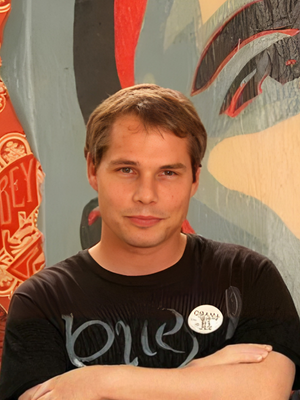
Shepard Fairey (b. 1970, Charleston, South Carolina) is an American street artist, graphic designer, and activist, and a graduate of the Rhode Island School of Design. His 1989 “André the Giant Has a Posse” sticker grew into the global OBEY GIANT campaign — an ongoing experiment in propaganda, obedience, and visual culture. He reached worldwide recognition with the 2008 “Hope” portrait of Barack Obama, now held by the Smithsonian National Portrait Gallery. Across screen prints, stencils, murals, and collage, Fairey channels propaganda aesthetics toward themes of peace, justice, environmentalism, and civil rights. His work is in the collections of the Museum of Modern Art, the Victoria & Albert Museum, and LACMA.